
Ultimate Collection Of Foundation Repair Products
A comprehensive selection of top-performing tools and materials designed to tackle foundation issues with confidence.
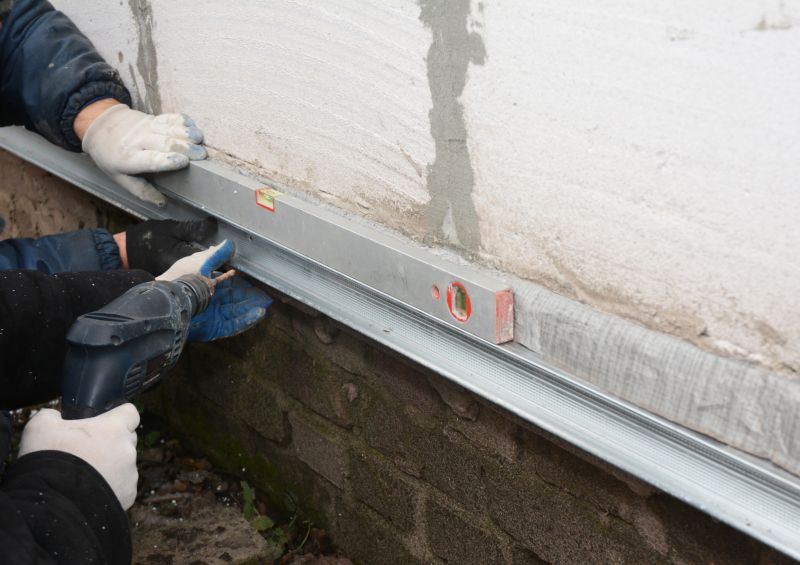 Foundation repairs are a critical aspect of maintaining the structural integrity of a building, especially in areas like Jacksonville, IL, where soil conditions and weather patterns can influence foundation stability. A variety of products are available to address different types of foundation issues, from minor settling to more extensive structural concerns. These products are designed to stabilize, lift, or reinforce foundations, helping to prevent further damage and prolong the lifespan of the structure.
Top Overall Option
Adjustable Foundation Support Systems
Adjustable foundation support systems are versatile solutions that can be customized to fit a variety of foundation types and repair needs. These systems typically include adjustable piers and jacks that can be precisely positioned to lift and stabilize sinking or settling foundations. Their adaptability makes them suitable for different soil conditions and structural requirements, providing a reliable method for ongoing support. Proper installation by experienced professionals is essential to maximize their effectiveness and ensure long-term stability.
Types of Products For Foundation Repairs
Push Piers
Push piers are driven deep into stable soil beneath the foundation to provide support and lift sinking structures. They are often used for underpinning and stabilizing foundations experiencing settlement.
Helical Piers
Helical piers are screwed into the ground and are suitable for various soil conditions, offering support and stabilization for foundations that require reinforcement.
Slab Jacking / Mudjacking
This technique involves injecting a slurry beneath a concrete slab to lift and level it, often used for repairing uneven or sinking concrete surfaces.
Wall Anchors
Wall anchors are installed to stabilize bowed or cracked basement walls, helping to prevent further movement and damage.
Carbon Fiber Reinforcement
Carbon fiber strips or staples are used to reinforce cracked or bowed basement walls, providing additional strength without extensive excavation.
Epoxy Crack Injection
Epoxy injections seal and stabilize cracks in concrete foundations, preventing water intrusion and further deterioration.
Grouting and Resin Injection
These materials are used to fill voids and stabilize soil beneath the foundation, addressing settlement issues.
Foundation Bolts and Brackets
These are used to secure and reinforce existing foundation structures, especially in cases of shifting or cracking.
Soil Stabilizers
Products designed to improve soil stability around the foundation, reducing the risk of future settlement or shifting.
Underpinning Systems
A comprehensive approach that involves installing supports beneath the foundation to transfer loads to more stable soil layers.
Waterproofing Membranes
Applied to basement walls and foundations to prevent water infiltration, which can weaken structural integrity.
Drainage Solutions
Proper drainage systems help manage water around the foundation, reducing soil erosion and pressure.
Concrete Patching and Repair Products
Materials used to repair surface cracks and deterioration in concrete foundations for structural integrity.
Vibration and Soil Compaction Equipment
Tools used during repair to compact soil and improve foundation stability in loose or unsettled ground.
Popular Choices
A common choice for underpinning sinking foundations, offering adjustable support.
Flexible support solution suitable for various soil types and foundation conditions.
Frequently used for sealing cracks and restoring structural integrity in concrete.
Popular for stabilizing bowing or cracked basement walls.
Often selected for leveling uneven concrete slabs and driveways.
Increasingly used for repairing cracked or bowed basement walls with minimal invasiveness.
Chosen for improving soil conditions around the foundation to prevent future issues.
Commonly installed to secure existing structures and prevent shifting.
Widely used to protect foundations from water damage and seepage.
Essential for managing water flow around foundations, reducing pressure on the structure.
Popular for quick repairs of surface cracks and surface deterioration.
Utilized during soil compaction to enhance foundation stability.
When considering foundation repair products, it is essential to understand the specific needs of your property, including the type of foundation, the extent of the damage, and the underlying soil conditions. Proper assessment by a qualified professional can guide you in selecting the most suitable solutions. Commonly used products include underpinning systems, piers, wall anchors, and crack repair materials, each serving a particular purpose in the repair process.
The durability and compatibility of repair products with existing structures are vital factors to consider. Quality materials can withstand the stresses of shifting soils and temperature fluctuations, providing long-term stability. Additionally, ease of installation and the availability of professional services can influence your choice, especially for more complex repairs. Investing in the right products can help ensure that repairs are effective and that your property remains safe and secure over time.
In Jacksonville, IL, where soil conditions can vary, it is advisable to consult with local specialists who understand regional challenges. Whether addressing minor cracks or more significant foundation issues, selecting appropriate products tailored to your specific situation can make a substantial difference in the success of your repair project.
Key Buying Considerations
- Assess the specific foundation issue to determine the appropriate product type.
- Consider the soil conditions and how they influence product selection.
- Evaluate the compatibility of repair products with your existing foundation materials.
- Review the installation requirements and whether professional assistance is necessary.
- Check the load-bearing capacity of the chosen products to ensure they meet your needs.
- Look for products with proven durability and resistance to environmental factors.
- Determine the extent of the repair needed to select suitable support or reinforcement systems.
- Consider the ease of future maintenance or adjustments with the product options.
- Understand the warranty or guarantee offered with the repair products.
- Research local regulations or building codes that may impact product choice.
- Evaluate the long-term performance expectations for the repair solutions.
- Factor in the cost-effectiveness and overall value of the products relative to your budget.
- Ensure the availability of qualified contractors experienced with the selected products.
- Review customer feedback and product reviews for insights into performance.
- Consider whether the product allows for adjustments or future repairs if needed.